
Managers can use this information to adjust their financial plans and improve performance. Furthermore, the master budget fosters accountability and performance measurement throughout the organization. By setting clear financial targets and benchmarks, it provides a foundation for evaluating the effectiveness of strategic initiatives. This transparency aids in performance tracking and empowers managers to make informed decisions that drive the company toward its strategic objectives. Regular budget reviews and variance analyses ensure that any deviations from the plan are promptly addressed, maintaining organizational focus and discipline. In summary, a master budget integrates various components, providing a holistic view of an organization’s financial health.
Step 1: Create a Sales Budget
The capital expenditures budget outlines the business’s investments in long-term assets such as buildings, equipment, and technology. In summary, the budgeted income statement serves as a financial roadmap, aiding decision-makers in steering their organizations https://bdevinsights.com/bookkeeping-2/california-corporate-tax-rates-2025/ toward profitability. By combining quantitative analysis with qualitative judgment, businesses can navigate the dynamic landscape of financial planning. Other balance sheet changes throughout the year are reflected in the income statement and statement of cash flows.

How to Prepare a Company’s Master Budget?
Ideally, businesses should start preparing their master budget at least three months before the start of the fiscal year. This allows enough time to gather relevant financial data, analyze historical trends, and make informed decisions about the budget’s revenue and expense forecasts. Preparing a master budget requires developing accurate revenue, expense, and cash flow forecasts based on historical data and market trends.
How Can a Master Budget Help Businesses Plan for Contingencies and Unforeseen Events?
This involves evaluating the budget against the business’s strategic objectives, financial goals, and performance targets. A master budget is a living document that should be updated regularly to reflect changes in the business’s financial activities. Depending on the business’s size, master budget order complexity, and financial planning cycle, the master budget can be updated monthly, quarterly, or annually. Creating a master budget is a complex process requiring a skilled professional team.
- In most cases, the process of preparing the master budget involves feedback and revision from employees at different levels.
- This blog post will delve into what a master budget is, its importance for businesses, who is responsible for creating it, and what skills they need.
- Once all individual budgets are prepared and reconciled, they are compiled to form the complete master budget, including the budgeted income statement and budgeted balance sheet.
- Existing information regarding fixed manufacturing costs are combined with variable manufacturing costs to determine the manufacturing overhead budget.
- It provides insights into the organization’s liquidity, solvency, and overall financial health.
- Businesses should consider these external factors when preparing their master budget to ensure accuracy and reliability.
How are budgets developed?
Sales forecasting involves estimating future sales based on historical data, market trends, and other relevant factors. It provides valuable insights into the expected demand for products or services, allowing businesses to make informed decisions regarding production, inventory, and resource allocation. From an operational standpoint, master budgeting facilitates coordination and communication across different departments and functions. It ensures that all departments are aligned with the organization’s financial objectives and encourages collaboration in achieving those goals. From the perspective of management, master budgeting provides a holistic view of the organization’s financial health and helps in setting realistic goals and targets.

Due to innovative social media marketing, Wonderball is trending on nearly every social media platform. Sofia, the creator and owner of Wonderball, Inc. is preparing a master budget for her second year of operations. Making sure that all departments and levels of employees have a say in the budget can help to make the process more democratic and the final budget more equitable. Finding new perspectives can also help employees feel valued by the company, and can result in unexpected solutions or compromises. When all departments understand how the company’s goals translate into its budget, motivation to stick to that budget increases. The production budget, which is closely related to the sales budget, delves a little deeper into production, covering details such as the number of items you intend to produce or sell.
- It is related to the firm’s operating activities and includes the revenues generated and expenses incurred.
- The budget preparer may include text explanations to make understanding and following the master budget much easier.
- If you are not manufacturing items, you can skip the production budget and instead concentrate on the materials budget.
- Indiagram below, we depict a flowchart of the financial planningprocess that you can use as an overview of the elements in a masterbudget.
- Larger companies sometimes employ economists to develop sophisticated models used to project sales.
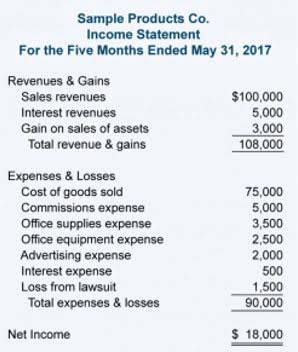
For example, while a manufacturer has a production budget for making goods, a department store has a merchandising budget to buy from its suppliers. Each of these categories has its own budget, with sales being the most important component. Use the data provided in the sales budget, cost of goods sold budget, and selling and administrative expenses budget to prepare the budgeted income statement. A master budget is a financial document that outlines how much an organization expects to earn and spend over the course of a fiscal year, usually divided into quarters or months. It may also include text explanations of how the budget will assist the company in meeting its strategic objectives. You can use it to track an organization’s trial balance expenses and income, as well as to combine budgets for individual departments or projects.

- We will also discuss the key components of a master budget, provide an example, and look at some of the common challenges businesses face when preparing a master budget.
- In the top-down approach, management must devote attention to efficiently allocating resources to ensure that expenses are not padded to create budgetary slack.
- Businesses make several common mistakes when creating their master budgets, leading to inaccurate or unrealistic financial projections.
- It also results in improved communication within the organization, because of the fact that all departments collaborate in order to abide by the Master Budget.
- The manufacturing budget is crucial for managing production costs, optimizing production efficiency, and achieving profit margins.
Recognizing its importance can lead to improved decision-making and organizational success. Understanding the intricacies of a master budget allows businesses to anticipate challenges and seize opportunities effectively. Once all individual budgets are prepared and reconciled, they are compiled to form the complete master budget, including the budgeted income statement and budgeted balance sheet. This unified document serves as a central tool for financial control and performance evaluation. It provides a framework for monitoring actual results against planned targets, allowing for timely corrective actions and strategic adjustments.

Video Illustration 6-2: Preparing the production budget
Using information from Big Bad Bikes sales budget, the cash collections from the sales are shown in Figure 10.18. This line of credit would be similar in function to the overdraft protection offered on many checking accounts. The financial budget details the target/forecasted cash inflows and outflows as well as other factors that affect the business’s financial position. The operating budget details the set target for the income-generating activities of the business. For example, a pure service business will not use production budgets as it does not have any products to account for.